


One of the most important factors affecting the success of SEO is content. In the past, there were many elements that influenced SEO. But gradually, search engines—especially Google—have eliminated most of them, leaving content as the most highly valued. Besides writing well and avoiding plagiarism, you should also pay attention to the “standard” elements in your article. Below, I’ll share with you how to create an SEO-standard article structure.
Content Structure
What is content structure? And why does it affect SEO? Some people say that even a poorly written article can rank high for keywords. That’s true, but I bet it will drop in rankings soon. Google’s linguistics experts are paying more and more attention to content. They won’t read your article directly but will evaluate it through user behavior. If users scroll too many times continuously and then leave your website, it’s likely they didn’t find the core content—especially the keyword that brought them there. However, Google doesn’t rely on just one user’s behavior.
Still, you should have a clearly structured article. One structure I recommend using is the same structure as in a book.
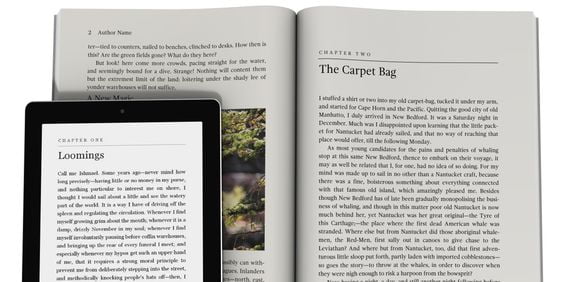
A clear content structure helps readers easily find information and stay longer on your website.
You should only have one main title. Subheadings can have their own smaller subsections. This not only makes your content more engaging to readers and encourages them to stay longer, but Google’s bots also love to “sleep” on your site.
HTML Structure
Although not very important to users, properly arranged HTML tags help search engine bots collect data more accurately.

The HTML structure of an SEO-standard article is also very important
Google provides a tool to help you highlight data at www.google.com/webmasters/tools/data-highlighter. This tool marks places that contain important information Google needs to collect—like title, author, publication date, categories, etc. But to be correctly identified, your structure needs to be clear.
Typically, the title should be enclosed in an H1 tag, subheadings in H2 or H3 tags. For example:
<h1>Title</h1>
<p>Opening paragraph</p>
<h2>Main section</h2>
<h3>Subsection</h3>
…..
<h2>Another main section</h2>
In WordPress’s editor, these tags can be found in the format dropdown on the left panel. You just need to highlight the text and select the appropriate heading.
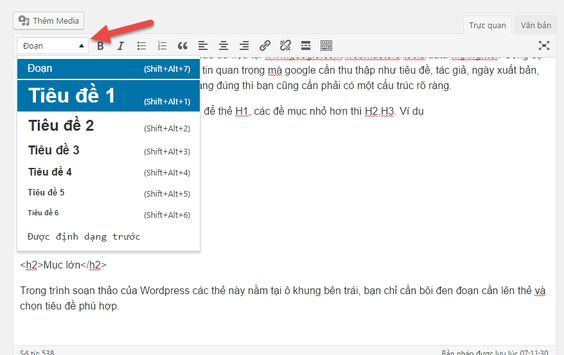
Choose appropriate heading tags for your titles
In regular paragraphs, you can bold your main keywords using the B button. Use I for italicizing proper names or unrelated quotes. Create lists using the two adjacent icons. Use the quotation button “ to create blockquotes—usually placed below the title.
Other formatting doesn’t affect SEO much, except for links. However, if you’re writing a landing article targeting a specific keyword, you should not link that keyword to an external site. Instead, link it internally within the same article or simply bold it.
Keyword Distribution
Sometimes, a page ranks for a search phrase even if that phrase is not explicitly in the article. For example, someone searches for “how to rank SEO to the top“, but the resulting article doesn’t contain that exact phrase. Instead, it has words like SEO, rank to top, how to, repeated multiple times or placed in important tags like H1, H2, or B. This suggests that Google doesn’t always match the search query exactly. Instead, it chooses important words from your article and compares them with the user’s query to deliver the most relevant result. However, this applies more to long-tail keywords. For short keywords of 1–3 words, especially in foundational content, you should not split the phrases. For example, words like “water”, “heavy water”, “super heavy water” should remain as full phrases.

Keywords must be appropriately distributed in the article to make the writing as natural as possible
Attractive and Useful Content
This is the last part I want to emphasize. There are so many clickbait articles published every day. I once clicked on two news articles that had exactly the same content but completely different titles. The most recent example was a headline like “What did President Trump say about the United Airlines scandal“. I read through the entire article, which just talked about the scandal (which I already knew about). What I cared about was “What President Trump said“, but at the end, the article stated that he remained silent. That felt like an insult to readers. The publisher only cared about views and advertising revenue, not the reader’s time or interest.

Create truly helpful content to reward your readers’ support
You can see how bloggers who create rich, helpful content tend to rank high on Google. For example: Thach Pham, Giúp bạn làm đẹp, Kiếm Tiền Center, etc. So try your best to create quality content—and don’t forget to register with DMCA to avoid being copied.
XDIGI offers Content Marketing Services with a professional and experienced team. We’re ready to deliver high-quality articles that help your website rank faster and more sustainably.